Author name: stu.skillselephant@gmail.com

Uncategorized

Why LinkedIn Feels Like Facebook in 2017?

Kineta Kelsall is known for her deep understanding of marketing and social strategy. In this guest post, she discusses the dangers of moving away from quality content and towards placating the LinkedIn algorithm.  Have you noticed a recent change in your LinkedIn feed content? Well, LinkedIn users have caught on to the fact that those weeks-old posts flooding our feeds are totally intentional. Thanks to their brand new experimental algorithm, “relevant”, rather than recent, content is being prioritized. That sounds reasonable, right? That is, until you realize what they actually mean by “relevant”. Instead of spotlighting timely updates or meaningful insights, the platform is pushing a very different kind of post to the top of your feed. For instance, LinkedIn also seems to be rewarding selfies. As long as your face is slapped on a post, it’s more likely to get pushed into feeds, even if there’s not much substance underneath it. If that feels familiar, it’s because it is. It’s a lot like the old days of Facebook, when people would upload whole chunks of their digital camera roll. The more your face showed up, the more likes you got, and the more popular you appeared. Combine that with LinkedIn’s new “relevance” logic, and the outcome becomes clear: feeds filled with two or three-week-old content. Events and opinions that have already come and gone are resurfacing, while the posts prioritized as “relevant” tend to be selfies paired with generic, copy-and-paste captions. Meanwhile, genuinely useful insights ‒ the kind of content many people come to LinkedIn for ‒ are buried in the dark corners of the platform. LinkedIn post about LinkedIn’s algorithm change How to Build a Social Media Strategy Create a comprehensive social media strategy to drive engagement and generate quality leads and become a free DMI member at the same time! ↗Set SMART objectives ↗Identify and engage your target audience ↗Plan social media content ↗Track and measure performance The power of collective objection Following an onslaught of negative feedback (and some brilliant memes from marketers) as a result of the algorithmic shift, LinkedIn has rolled back the change. But the real issue is less about the algorithm and more about what we’ve trained it to think is valuable content. LinkedIn user commenting on the effects of LinkedIn’s algorithm change Look, LinkedIn has genuinely helped me build my business. I’ve met brilliant people on the platform, learned from genuine experts, and found opportunities I’d never have accessed otherwise. But, at the moment, my feed feels increasingly like a wasteland of recycled wisdom. The shift in content creation As someone who trains and works with brilliant strategists and marketers, I’ve heard first-hand how this shift in content creation has affected creators, many of whom no longer feel ‘worthy’ of posting on LinkedIn. Yet, someone who attaches a selfie to a bland post gets 2,000-plus likes?! Yes, sometimes personal photos are backed up by posts of substance, but at most other times it’s the same old stuff repackaged with better lighting. Gen AI is turning us into content robots And that’s exactly what we’re doing now on LinkedIn; copy-and-pasting opinions, adding a selfie, and waiting for it to rank. We’ve become content repurposers instead of creative thinkers. We’ve all turned into robots because we don’t know how to think anymore. Then you’ve got the algorithm, another robot, eating it all up. It’s basically robots training robots. I’ve seen the same posts seventeen different ways this week. At this point, I genuinely don’t know what’s a real opinion anymore, never mind what’s original and not just what’s currently trending in the feed. Indeed, sometimes I wonder if there’s a dimly lit cave full of personal brand creators liking each other’s posts in some kind of engagement clique, or maybe they’re all on some other social platform the rest of us haven’t heard about yet! Are users engaging because they like this content, or because they know that if they engage, the re-poster will engage back? Are we actually even reading anymore? Or are we just skimming, liking, and moving on, hoping the algorithm keeps us in the loop and will reward us and our posts too? People no longer feel worthy The saddest part? The people with the most interesting perspectives often have the least confidence to share them. I speak to experts who convince themselves that their insights aren’t good enough for LinkedIn while content recyclers harvest thousands of likes with repackaged quotes from business books. We’re teaching a generation of new professionals joining LinkedIn that visibility belongs to those with the least shame about self-promotion rather than those with the most to offer. I like people’s faces, I do, I don’t even mind my own. But why do we have to show them to rank better? It’s not that every post with a selfie has vapid commentary, but it’s sad that we’ve reached the point where showing our faces seems necessary for views. What’s the solution to appearing on the LinkedIn feed? We need to stop pretending this is normal. We must stop rewarding the safe, polished, nothingness of engagement-optimized content. And, most importantly, we have to start raising the bar. If you’re someone who doesn’t get hundreds of likes, or who actually reads and values substance over surface, this is for you. The platforms might not prioritise it, but that doesn’t mean we shouldn’t. How we retrain the algorithm (together) Stop rewarding fluff: don’t like or comment just because you recognise someone’s face. Save that like for posts with substance, real human opinions, and perspectives. Engage with depth: read properly, then leave comments that add something meaningful. That signals to the algorithm that the post is valuable. Support the quiet voices: if someone thoughtful isn’t getting the reach you think they deserve, amplify them by reposting their comment. Model what good looks like: publish your own posts with ideas, learnings, and thoughtful perspectives, even if they don’t initially rack up likes. People are moving to Substack and Bluesky I still value LinkedIn. Lately, though, I find myself drawn

Uncategorized

Top SEO Skills Every Digital Marketer Needs in 2025

Search Engine Optimization (SEO) remains one of the most in-demand digital marketing skills. At its core, SEO skills include the abilities that help marketers improve a website’s visibility, rankings, and traffic from organic search. But SEO has evolved far beyond keyword research and getting backlinks. In 2025 and beyond, SEO skills mean blending creativity, strategy, and technical expertise to ensure brands stay visible across increasingly AI-driven search engines. While Artificial Intelligence (AI) has reshaped the industry, a strong foundation in the basics is still critical to  deliver the best results in the long run. However, digital marketers who want to specialize in SEO now need to be all-rounders: They need to master keyword research and link building to technical audits and AI-driven optimization. They need to have both hard skills and soft skills. Let’s break down the core SEO skills, advanced technical expertise, and the future-ready skills you’ll need to succeed in the ever-evolving search industry. In this blog, you’ll discover: What are the core SEO skills every marketer needs? What are the advanced technical SEO skills needed for career growth? What SEO soft skills do marketers need? What are the future SEO skills? How can you build your SEO master skills? FAQs on SEO skills What are the core SEO skills every marketer needs? SEO is the practice of improving your website so search engines can find, understand, and rank it, and its execution requires several layered skills. Here are the fundamental search engine optimization skills: 1. Strategic thinking SEO is not just tactics or the execution of a to-do list. It’s about aligning content with business goals. Strategic thinking helps marketers prioritize where to invest effort: high-value keywords, low-hanging opportunities, or authority-building content. It allows you to strive for balance throughout your website. You have to decide which pages take priority, which pages to optimize, and how to structure your overall website. You don’t want your potential customers clicking on ten links to get to the page they want to go to, right? You should start with identifying your SMART goals – this will set you up for strategic success. 2. Competitive research Are your competitors grabbing the first few spots on the Search Engine Results Page (SERP)? Perhaps they’re even being mentioned by Google’s AI Overviews or generative AI (GenAI) engines like ChatGPT. Conducting a competitive analysis will help you discover what makes their website favored by search engines and AI. Understanding what competitors rank for and where their backlinks come from helps you spot gaps and opportunities as a marketer. Tools like Ahrefs and Semrush make this easier. Additionally, there are tools such as SparkToro, that detail helpful information such as where online people spend their time, and how they use AI tools. Where people spend their time online, SparkToro Once you’ve sufficiently researched your competitors, it’s time to apply some of the same techniques to your website. In SEO, while there is a definite advantage in doing things first, you won’t lag too far behind as long as you do it better. 3. Keyword research Still the backbone of SEO, keyword research includes identifying entity-based queries, long-tail searches, and trending “people also ask” topics. Effective keyword research will give you ideas on what your target audience would like to see or learn about on your website. It can also aid in your competitive research. Performing keyword research means knowing how to “distribute” keywords throughout your website strategically. For example, you may plan to target shorter-tailed keywords for product pages, while longer-tailed keywords that are informative in nature or those that warrant a complex discussion are better suited for your blog or resources section. To help you with keyword research, there is a mountain of tools out there. Some free ones include: Google Trends, Google Keyword Planner, AlsoAsked. There are also tools that offer free, limited access, such as Ahrefs, Moz, and UberSuggest. Example of short-tail keywords, Ahrefs Example of question-based and informational long-tail keywords, Ahrefs 4. Content creation Great content is the fuel that powers SEO. From blog posts and landing pages to case studies and whitepapers, everything you publish should be optimized for both readers and algorithms. Writing, editing & storytelling Content that informs, persuades, and connects with your audience performs best. Strong SEO writing balances creativity with data. It uses the right keywords but never at the expense of readability. The goal is to answer user intent while keeping your brand’s voice engaging and trustworthy – especially if you want to appear in genAI results. The structure and hierarchy of your content is just as important, as it will allow both search engine crawlers and AI crawlers to understand and process your content more easily. This includes on-page structural elements, like lists, FAQ sections, and more. On-page optimization On-page elements like titles, descriptions, alt text, and internal linking are vital for helping search engines crawl, index, and understand your content. A page’s title and meta description can make the difference between a potential customer clicking your website or your competitor’s. Knowing how to write compelling, keyword-rich titles takes skill, practice, and often A/B testing. Even small decisions, like how you structure your URL, can impact performance. For example, imagine you own a cybersecurity company and want to publish a blog post on “Top Cybersecurity Threats for Companies.” Instead of using a URL extension like /top-cybersecurity-threats-for-companies-2025/ you may want to drop the year so the page can be updated annually. This way, you keep the URL evergreen while refreshing the content each year to maintain relevance beyond 2025. 5. Multimedia skills Modern SEO is no longer just about text – marketers need to evolve. Multimedia skills, such as creating images, infographics, videos, podcasts, and webinars, help increase engagement, shareability, and visibility across different platforms. Search engines reward content that keeps users engaged, and multimedia can make your pages more dynamic and discoverable. If you have old but still relevant content, repurposing it and transforming it into another media is a way of extending its life too, such as turning a webinar into smaller video snippets which you can upload to

Uncategorized

Google Algorithm Updates: What do They Mean for Brands and Marketers?

Google tweaks its search algorithms at least once a day, with the aim of providing increasingly accurate results for every search query. Such a rapid pace of change can cause concern among marketers and it is easy to see why. Organic search drives over 53% of all website traffic. So, if Google changes the rules, it can fundamentally affect the quantity and quality of online visits that any business receives. Among the tiny tweaks indecipherable to the naked eye, the search giant has also launched a small number of what it terms “broad core algorithm updates” since 2018. These are announced via official Google channels, historically from the Google SearchLiaison X account, but now from the Google Search Central X account. Google Search Central announcing algorithm updates, on X Next, this article will assess the new, markedly different age of algorithm updates we live in today with a focus on “broad core changes” and Artificial Intelligence (AI) features that have now become habitual in the industry. Google in 2025 Major Google algorithm updates: A brief history Google core updates The AI transformation: Beyond algorithm updates How should marketers respond to these updates? Google in 2025 The 2024 Google documentation leak provided rare insights into Google’s algorithm, but marketers must still be prepared for constant change. This is particularly true as the very nature of search is being redefined. ChatGPT, Perplexity, and other AI-powered alternatives are increasingly where users turn for answers, forcing Google to evolve beyond its traditional search model. AI Overviews now appear for billions of queries globally, while AI Mode offers an entirely different search experience. Google is no longer just indexing the web – it’s synthesizing it. Yet paradoxically, this makes traditional search engine optimization (SEO) more important, not less. The sites that Google’s AI systems choose to reference are those with the strongest foundations: robust technical SEO, genuine expertise, and comprehensive content. The difference now is that success means both ranking in traditional search and being the source that AI systems trust to cite, thus, marketers need to find a balance in efforts towards AI and SEO. Today, marketers need to keep a close eye on Google’s core algorithm updates, as well as the flashy new AI features that make global headlines. To understand how we got here, it is worth quickly recapping the most important historical Google updates. Major Google algorithm updates: A brief history Panda Initial launch: 2011 What is Panda? Panda was a major algorithm update (with many iterations since its inception) that clamped down on content farms and sites with low-quality content. Who did/does it affect? The initial Panda update affected about 12% of all queries and saw sites with thin content or high ad-to-text ratios drop in the rankings. Panda has been updated consistently since 2011 to include new data signals, including user engagement metrics (e.g., bounce rates and time spent on site), content comprehensiveness, authoritativeness, and site architecture. Its data is processed outside of the main Google index, much like that of the Penguin algorithm. Penquin Initial launch: 2012 What is Penguin? Known as the “Webspam Update” at first, Penguin targeted spam techniques that had helped sites climb the rankings. These techniques included black hat practices such as keyword stuffing and buying backlinks. Who did/does it affect? It affected 3.1% of English queries at launch, but this soon expanded to a larger data set. Penguin has sent ripples through the industry to rival any other set of updates, and it now works in real time (rather than at intervals) to fine-tune the search results. Hummingbird Initial launch: 2013 What is Hummingbird? Perhaps one of the biggest core algorithm updates of all time, Hummingbird ushered in a new era of “semantic search”, powered by deeper understanding of user intent and Google’s vast Knowledge Graph. Who did/does it affect? Hummingbird has affected how all queries are interpreted, but it has particularly benefited companies that work to create conversational search experiences. Google labeled this update “Hummingbird” because it is “precise and fast”. RankBrain Initial launch: 2015 What is RankBrain? Google announced in October 2015 that it had started using machine learning as a core part of its algorithm, through a technology it coined “RankBrain”. Who did/does it affect? This affected pretty much everyone! RankBrain was said to be the third-most important aspect of the core algorithm, and its importance has been cemented over time. This means Google’s algorithms can adjust their assumptions based on user feedback in real time to provide increasingly accurate results. Possum Initial launch: 2016 What is Possum? Possum was an update that focused on improving the quality of local results, based on the exact location of the searcher and the quality of available results. Who did/does it affect? Many businesses that sit just outside of a city’s geographical limits saw an increase in their visibility, as Google relaxed the fixed rules it previously had in place. Users also saw more variety in the search results, based on specific modifiers or the order of words in their search query. The Mobile-First Index Initial launch: 2018 What is the Mobile-First Index? Google starts using the mobile version of content for its search index, rather than the desktop version. This seismic shift marked the move to a mobile-first world. Who did/does it affect? The roll-out has been very gradual, but all websites will be affected worldwide. Although it is taking time to get right, Google is completely committed to making this change. Webmasters should be monitoring Google crawl activity to see the impact of their shift to mobile-first indexing. BERT update Initial launch: October 2019 What is BERT? The BERT (Bidirectional Encoder Representations from Transformers) update helped Google better understand natural language and context within search queries. Who did/does it affect? This update impacted about 10% of all search queries, and it was particularly beneficial for understanding long, conversational queries. This provided marketers with new opportunities to create great content without an over-reliance on using exact match keywords within their copy. BERT has also been an important step towards the more conversational Google experience we know today. MUM (Multitask Unified Model) Initial launch: May 2021 What is MUM? MUM is a transformative AI-driven update that allows Google to better

Uncategorized

A Guide to Digital Marketing Career Paths in 2025

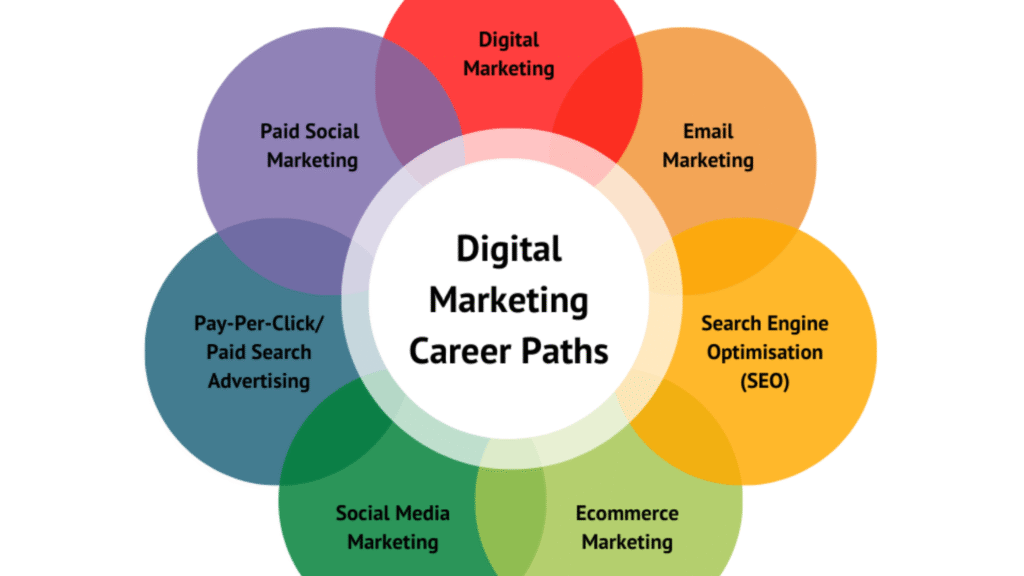
Digital marketing is a term that relates to all promotional activities that happen online. From social media management and content marketing to paid advertising and artificial intelligence (AI), digital marketing covers a wide net of specialist skills. With the right approach, digital marketing is an art. Regardless of your role, digital marketing is about addressing your audience’s pain points and delivering solutions across the right channels, at the right time. If you’re creative, analytical – or both – digital marketing can be a rewarding and lucrative career path. According to Expert Market Research, the digital marketing market is projected to reach a global value of $1099.33 billion by 2032. This level of growth – particularly with the help of generative AI – offers great opportunities for ambitious professionals looking to carve out a successful digital marketing career. If you’re considering a digital marketing career , you might be wondering which path to take. Whether you want to kickstart your digital journey or are considering a career switch, here are the top digital marketing career paths to watch this year. What are the best digital marketing career paths in 2025? 1. Social media manager 2. Email marketing specialist 3. SEO specialist 4. Content marketing manager 5. Digital marketing manager 6. Paid ads specialist 7. AI marketing specialist Is digital marketing a good career? What are the highest paying jobs in digital marketing? What to consider when choosing a digital marketing career What are the best digital marketing career paths in 2025? If you’re looking for a career in digital marketing, the good news is that there are plenty of rewarding roles and paths to consider. 1. Social media manager Social Media Manager jobs are expected to grow by 10% between now and 2028. This level of growth equates to around 33,700 new jobs within the next decade. So, what does a social media manager do? A social media manager is responsible for creating a targeted content strategy for a brand’s various social media channels. This role also commands analytical skills as you have to measure and monitor campaign performance across channels while identifying potential growth opportunities. So if you like interacting with people on social media and you’re both creative and analytical, this may be the role for you. Key duties: Create relevant and meaningful content for specific audiences for a variety of social media channels including Instagram, X, Facebook, Threads, and TikTok. Regularly monitor social media analytics to measure performance, identify patterns or trends, and evolve your strategy to meet your audiences’ needs. Develop social media strategies with other digital marketing stakeholders to promote specific campaigns, services or products. Schedule social posts and manage a content creation calendar to ensure a consistent presence across social media channels. Regularly engage and interact with your audience to increase engagement, cultivate a community, and build trust. Enrol in our Social Media Marketing course 2. Email marketing specialist Email marketing is one of the longest-standing forms of digital marketing and it’s still one of the most effective. Why? It’s because email marketing can be easily personalized and deliver value-driven content directly to your prospects’ or customers’ inbox. An email marketing specialist is responsible for everything ‘email’, including campaign development, email content creation, sourcing visuals, tracking performance data, and creating automated workflows for nurturing customers (and earning sales!). If you’re a good communicator (and quick writer!), fascinated by automated technology, believe in the value of data-driven marketing, and are persuasive, this may be the digital marketing career path for you. Key duties: Create and develop a brand or business’s email marketing strategy. Put together campaign concepts and implement them. Manage email marketing lists and segment subscribers into relevant audience groups based on demographics, interests, buying behavoirs or engagement levels. Track analytics to monitor performance and identify ways to improve content or strategy. Use A/B testing to optimize your content creation efforts for the best possible results. Manage platform integrations, automations, and workflows to improve efficiency and earn the best return on investment (ROI) from your email marketing efforts. Enrol in our Email Marketing short course 3. SEO specialist Search engine optimization (SEO) is a vital branch of digital marketing as it involves activities and strategies that will make a brand more visible for relevant search terms on Google and other search engines. The world of SEO is ever-evolving – especially with the rise of AI Search – so as an SEO specialist, you have to keep your finger well and truly on the pulse. While SEO strategies are constantly changing, the value of search engine optimization in helping to rank content and boost brand visibility remains. As such, it’s an in-demand digital marketing career path. If you’re someone who loves to keep on top of the latest digital marketing trends, have a keen eye for detail, like data, and are adaptable, being a SEO specialist could be the right move. Key duties: Conduct on-site and off-site analysis to gain intelligence on your competitors. Use data platforms like Google Analytics (GA4) to collect valuable insights and build performance reports. Help create, curate, and develop informative, authoritative, and engaging SEO-optimized content. Create on-site and off-site SEO strategies for brands and businesses. Contribute to the company blog, and play a pivotal role in the development and delivery of the company’s key marketing campaigns. Conduct in-depth keyword research in line with the latest keyword strategies. Keep up to date with the most recent trends and developments in search marketing. Understand and respond to consistent Google algorithm changes. Build relationships with relevant industry influencers and maintain a company’s link portfolio. Integrate your SEO strategy with paid marketing and paid search campaigns to create maximum impact. Enrol in our Professional Search Marketing course 4. Content marketing manager Content marketing is more valuable than ever. To cut through the noise online, brands are investing in specialists who can push creative boundaries, develop content that offers value, and brings a brand to life. As a content marketing manager, you’ll play a vital role in shaping a brand’s online presence. You’ll be responsible for developing targeted ideas and creating a variety of content types (blog

Uncategorized

What do you mean by Inbound Marketing and How to do it?

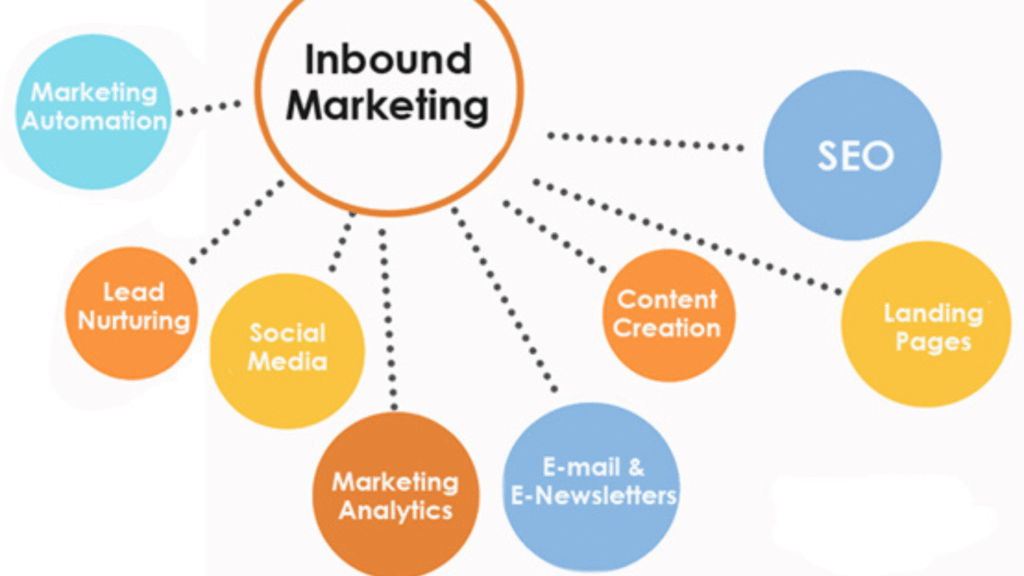
Inbound marketing is a way for companies to connect with and influence customers in a way that builds trust and fosters long-term relationships. It helps marketers create a customer experience that attracts prospects and increases visibility in a way that people don’t feel ‘sold’ to. A core element of inbound marketing is content. You may have heard the term ‘content is king’, but in the case of inbound, it really is. What this means is that quality trumps quantity and that’s what marketers should prioritize in their inbound marketing strategy. But there’s a lot more to inbound marketing than simply creating and distributing great content. In this blog, we look at what inbound marketing is, how it compares to outbound marketing, how to create an inbound marketing strategy, and examine great examples to give you an idea of what works. Inbound marketing definition Inbound marketing is a strategic approach that focuses on creating valuable content and experiences tailored to the needs of your audience to build long-term relationships. The key to inbound marketing is that it provides solutions to the needs of your customers. By doing that you can build lasting relationships and cultivate brand advocates. Inbound marketing vs outbound marketing Marketers across industries are likely to use outbound and inbound marketing strategies to engage consumers and generate high-quality leads. But what are the differences between them? Inbound marketing vs outbound marketing table When should you use inbound marketing? The advantage of inbound marketing is that it attracts people that are actively looking for the service or product you provide. For example, if a user types ‘lightweight touch screen laptop’ and you sell that product, then inbound marketing will help you to be visible to that person. There are a few reasons you might choose an inbound marketing strategy: You know your target audience – If you know who to target, inbound marketing can be a great way to draw them in. SEO is a great example of this, if you research relevant keywords you can use them on your site and blogs to attract the right people. This works if you are working in a niche industry or area such as manufacturing or mining. Read our SEO Keywords Research toolkit to see how to do it. You want to engage an audience – If you’re looking to have a conversation or drive engagement, inbound marketing techniques are very effective. Polls or surveys can be great in this scenario and not only drive engagement but provide further insight into your audience. This may be helpful for anyone in, say, the healthcare industry looking to find out more about opinions on a product or for brand perception. You want quality leads – With inbound, it’s quality over quantity when it comes to leads. That’s because you are using a targeted campaign to defined buyer personas. For example, if you work in the education sector and want to target people looking to gain a credential to start a career in digital marketing, create an ebook on the subject ‘Kickstarting your Digital Marketing Career’ which will provide information but also capture data for retargeting. You need to measure ROI – With inbound marketing you can track and measure performance on an ongoing basis and tweak content if required. As ROI becomes more important to senior executives you need to measure campaigns to allocate budget and resources. You have a long sales cycle – For many B2B businesses, a long sales cycle is the norm. Prospects, in this case, need information and guidance and videos can be useful. Consider a video series with an expert or staff member with skills in a certain area. You can measure engagement to determine efficacy. Budget is low or limited – An inbound marketing campaign can be cost-effective. Blogs are also a great way to attract an audience if you know their needs and provide a solution. Remember to include keywords to get your audience there in the first place! Check out these tools and templates for creating successful blogs. When should you use outbound marketing? The great thing about outbound marketing is that it guarantees your brand will be seen and is a great way to attract an audience. Many of the channels are also tried and tested and trusted by an audience. There are a few reasons to use outbound marketing: You need to drive brand awareness – As we’ve said, outbound marketing helps to drive brand awareness whether that’s through a paid Facebook ad to a targeted audience or a TV advert. It guarantees eyes on your brand and can help grow your audience. You are launching a new product or service – If you have a new product or service coming, you can send advance emails to your mailing list with a personalized subject line or offer. You need results fast – If you need the campaign to get results quickly, paid search ads targeted at a specific audience can be highly successful. Make sure your landing page is related to the content in your ad and has engaging copy so it can help drive conversions. You want to connect with a new company – Sometimes the old methods work – cold calling is a great way to make contact with a target prospect or company. It can take time but a conversation can be valuable for building connections and reaching out to solve a problem or provide a solution. Your target audience is older – While TikTok may be the platform of choice for many young people, the older generation turns to radio, TV, and newspapers for their news and entertainment. According to HubSpot, Baby boomers aged between 61 to 79 years of age dramatically prefer TV to other content mediums with 93% turning to it for the majority of their weekly media consumption and 46% watch it live. You want to be visible to the right people – Every brand needs to promote itself to stand out from the competition and stay front of mind. Trade shows and events offer an opportunity to have a booth or take part in a talk that helps a brand connect with the right people. For example, a food and drink expo

Uncategorized

10 Steps to Building Your Personal Brand on Social Media

Sharing content online allows you to craft an online persona that reflects your own personal values and professional skills. Even if you only use social media occasionally, what you create, react to, or share feeds into this public narrative. How you conduct yourself online is now just as important as your behavior offline, especially when it comes to your digital marketing career. According to ‘Using Social Media in the Recruitment Process’ research, 50% of employers are prepared to research job seeker candidates using personal social media profiles. 64% of hiring managers have viewed a candidate’s social network profile (such as LinkedIn) at some point for this purpose. Building your personal brand on social media takes some work. But done right, it can help advance your career, make valuable connections, become a thought leader, demonstrate self-expression and build a legacy. In this blog, we will explore 10 key steps to help you build a presence on social media which include: Update Your Social Media Accounts Identify Your Area of Expertise Leverage Social Media AI Tools for Reach and Engagement Regularly Share Content Import Your Contacts Be Positive, Engaging & Authentic Find & Join Social Groups Keep Your Voice, Image & Tone Consistent Study Influencers Earn a Social Media Certification We’ll also look at which social media platform is the best for personal branding? ” LinkedIn is a tool in an employee’s kit. It can help their career and knowledge. It can help their prospecting and what they’re doing. They can increase their personal brand, visibility and worth to their current employer and future employer “ – Luan Wise, Marketing Consultant, Speaker and Social Media Trainer How to Build a Social Media Strategy Create a comprehensive social media strategy to drive engagement and generate quality leads and become a free DMI member at the same time! ↗Set SMART objectives ↗Identify and engage your target audience ↗Plan social media content ↗Track and measure performance Download 1. Update Your Social Media Accounts There are estimated to be over 5 billion social media users globally and the average person uses 6.7 different social networks every month, according to Datareportal. Those figures demonstrate the adoption of social platforms across age groups and locations. But not every account will help build your presence online and with so many networks to keep on top of, how useful is each one to social greatness? So, conduct an audit and decide which social media channels to focus on. Then delete any old accounts that you no longer use or are serving you no purpose. For the networks you will use, make sure all your information is accurate and complete. This will help you direct and grow traffic to the networks that will showcase you and your work. ​2. Identify Your Area of Expertise Everyone’s an expert at something – whether it’s how to create and distribute great content or having an encyclopedic knowledge of your favorite TV show. In the digital marketing area just think of the experts that people and articles always refer to – plus they have awesome LinkedIn profiles. There’s Rand Fishkin who specializes in audience listening, Neil Patel who is the go-to for search marketing and Steve Bartlett, author, Dragon’s Den participant and podcast host. Is it time for you to experiment a bit more? Think about what type of content you’ve created that your followers have responded to most. Can you replicate this with similar content or repurpose something that has performed well to re-engage? The more unique and engaging content you create on your chosen topic of expertise, the more your followers will start to think of you as a thought leader in your chosen field. 3. Leverage Social Media AI Tools for Reach & Engagement Building a personal brand has gotten even easier with the advancement of artificial intelligence. By using AI tools, you can create an identity that reflects your values, expertise and aspirations. You can use it for a variety of tasks such as: Content creation – Use writing tools like Perplexity and ChatGPT to perform research and help get ideas to create content for platforms. And tools like Feedly or Pocket use AI to suggest relevant articles and news that align with your brand so you can share valuable content with your audience. Social media management – Platforms like Sprout, Buffer, and Hootsuite all leverage AI to schedule posts and automate tasks. While AI can help analyze metrics such as engagement to help you understand what content matters to your audience. SEO – Tools like Ahrefs and SEMrush use AI to identify trending keywords and phrases along with analyzing content for readability and keyword density so you can optimize content for search engines. Plus with TikTok becoming a search engine it’s worth being strategic with your keywords and phrases when posting to the platform. Market research – You can use AI to conduct a competitive analysis and get insights into market trends and customer behavior. Tools that can do this are Ahrefs, Similarweb, and Brand24. Email marketing – Personalization is key to driving click-through in your email marketing so use AI to analyze subscriber data and optimize and test key elements such as subject lines, CTAs, and content. Visuals – There are loads of great tools you can use for creating visuals such as Canva AI or Midjourney. Adobe Spark and Lumen5 use AI to create professional images and videos . Landing page optimization – WordPress, Godaddy, and Wix offer AI-driven optimizations for site design, content and layout which can help with user engagement and SEO. Top tip: Here’s a great webinar on ‘How to Use AI for Your Copywriting’ hosted by AI educator and copywriter, Kerry Harrison. Blog B2C 4. Regularly Share Content In the early days of social media, the more you posted, the more engagement you could drum up. Today, however, over-posting leads to fatigue and annoyance. You want to keep the lines of communication open with your audience, but you also don’t want to overshare so much that you look desperate. While there is guidance on the optimum number of social posts for large businesses such as 3-5 posts a week on Instagram, 1 to

Uncategorized

A Guide to Voice Search Optimization

Impressive statistics abound in relation to digital assistants and voice search. To cite just a few: Over 20% of mobile searches are by voice (Source: Google). There are 8.4 billion voice-assisted digital assistants in use worldwide today, according to Statista. Voice commerce sales will reach $164 billion worldwide by 2025. Clearly, this is a growing industry and the physical evidence of the marketing opportunity lies all around us. Devices like Google Home and the Amazon Echo range became increasingly prominent in living rooms, kitchens, and bedrooms in Western markets in the late 2010s. Furthermore, anthropomorphic assistants like Siri, Alexa, and Google Assistant are embedded in a wide range of smartphones, cars, and even fridges. The Google Assistant interface Voice search is no longer a trend: it’s user search experience that exists at the intersection of increased mobile use, sophisticated machine learning algorithms, and the symbiotic relationship between people and technology. However, despite the initial push and integration into various devices, monetizing these platforms has proved challenging. Amazon, for example, reported almost $10 billion in losses from its Alexa division in 2022. This was because many users relied on these devices for basic tasks like setting timers or playing music, rather than engaging in deeper, revenue-generating interactions. This led to a period where voice technology, though widespread, didn’t fully live up to its commercial potential.   Enter generative AI and multimodal capabilities Now, voice technology is poised for a new resurgence, fueled by advancements in generative AI and multimodal interactions. Multimodal search is the capability of a search engine or AI model to process and interpret multiple types of input—such as text, voice, and images—simultaneously to deliver more accurate and contextually relevant results. OpenAI’s ongoing developments, including (as of September 2024) a voice-led and multimodal ChatGPT, are pushing the boundaries of what voice assistants can do by integrating text, voice, and even images into seamless, intuitive experiences. Google and Meta are also making significant strides in this area, enhancing their platforms to allow for more natural and nuanced interactions. The promise of generative AI lies in its ability to understand and generate complex, context-aware responses that go beyond simple voice commands. When combined with multimodal AI – technology that can interpret and generate content across multiple formats – voice assistants could become even more integral to how we interact with technology. Crucially, these new capabilities can open the door to commercial interactions between voice-led devices and consumers. But what does all this really mean for marketers? Does voice search require a separate strategy? And, if so, what does it entail? This article will look at what we know about voice search today, and will explore the following areas: Voice search: A natural extension of semantic search Voice search best practices Technical SEO Content marketing Local SEO SEO strategy Voice Search: A Natural Extension of Semantic Search When people first learn to communicate, they usually start with speech and then move on to written language. Search engines have experienced this in reverse. Early search engines relied heavily on keyword matching: simply trying to find web pages that contained the exact words typed by the searcher. Over time, however, search engines have evolved to semantic search, which focuses on understanding the meaning behind a query, rather than just matching the words. Semantic search enables search engines to comprehend the context, user intent, and relationships between words. This shift represents a move toward “intelligent” search, which interprets the nuances in language and delivers more relevant results. Suppose I ask a friend, “What would be the best smartphone for me to buy?” Because they know me and they can tailor the recommendation based on my preferences. Scaling that level of insight requires very significant natural language processing power, along with the information retrieval technology to sift through billions of results and locate the right one. Smartphones provide more contextual information than desktop computers, but a search engine still needs a reliable way to process and utilize so much data. The image highlights the levels of difficulty for a search engine and the technology required to surmount them. A Guide to Voice Search Optimization This matters when we consider voice search strategy. People adapt their behaviors based on the possibilities at their disposal. As marketers, understanding those behaviors is essential if we want to cut through the noise and connect with consumers. Brands create the content that leads a consumer from question to answer. A search engine is the intermediary that makes the connection. Google’s Hummingbird algorithm ushered in the age of semantic search. It used the Google Knowledge Graph to understand the relationship between entities and deliver something approaching conversational search. Ask Google, “Who is the King of Spain?” and it will respond, “King Felipe VI”. Next, ask it, “Who is his wife?” and it will respond, “Letizia of Spain”. Google infers that “his” in the second search relates to King Felipe, the result of the first search. It is a subtle but significant shift that affects how we should create and promote content through search. We can now have conversations through SEO, rather than one-off exchanges. Semantic search continues to change how people find information and it has heightened  their expectations. The advent of OpenAI’s ChatGPT and Google’s Gemini have further increased the demand for highly personalized responses from chatbots and search engines. As the technology’s capabilities change, so should ours as marketers! In essence, this development is a natural and vital component of voice search’s rise. Google reports that people are increasingly searching for queries using words like “me”, “my”, and “I”. These words all indicate that the searcher expects a personalized response. How people are searching As an indicator of the modern consumer’s requirements from online content, this is very telling. People would only ask these questions if they expect the answer to be personalized and unique to them. These searches are typically carried out by voice, rather than text, because people communicate using different language when they speak. Once more, this points to the difference between voice

Uncategorized

The Importance of SEO for Your Business

SEO: three simple letters that hold the key to online success. You might know that search engine optimization (SEO) is important and has something to do with search engines. But what is SEO, and why does it matter? This article is your primer on all things SEO and its potential impact on your business. If you’re ready to start honing your SEO knowledge without getting lost in the tech jargon, buckle up! We’ll explain SEO’s ins and outs, help you tap into its potential, and help your business shine online. A Short Overview of SEO SEO stands for search engine optimization, meaning optimizing your website content and technical setup so that Google (plus other search engines) can crawl, index, and understand your content to rank your web pages higher in search results. This digital marketing strategy will help you increase your site’s visibility and likely more organic search traffic. If a potential customer or client searches for a topic relevant to your products or services, you want to be on the top of that search engine results page (SERP) alongside your competitors. If you aren’t, another business may have just gained a new customer—or you lost one. SEO allows you to lead the customer through your buying process. In addition to visibility and increased website traffic, SEO contributes to your company’s authoritative voice in your industry. And that authority builds brand trust, which ultimately becomes brand loyalty. Why Is SEO So Important for Your Business? SEO is one of the most powerful digital marketing strategies you can deploy to improve sales, build credibility, increase brand awareness, and gain a leg up on your competitors. A solid SEO foundation not only attracts new customers but also lets you deepen your business’s relationship with those customers because of the trust you establish with them. How SEO Works SEO is about both quality and quantity. Search engines want to provide the most relevant, high-quality results to searchers, so websites need substantive, helpful content and technical optimization to rank well. A solid SEO strategy typically includes these elements: Keyword analysis Backlink building Content creation Technical maintenance Let’s look at how each of these strengthens your digital marketing efforts. Keyword Analysis Every SEO strategy starts with research. More specifically, you need to understand the words your audience will use on a search engine when researching products, services, or topics relevant to your business. At the most basic level, keywords have varying difficulty levels and search volume. For example, consider the keyword “biotech.” As a broad term, ranking on Google is quite difficult. Here is what Semrush tells us about this keyword: It has a 88% difficulty level, which means it’s “The hardest keyword to compete for, and it will take a lot of on-page SEO, link building, and content promotion efforts.” Does that mean a company should give up trying to rank for that keyword? Not exactly. In keyword research, you’re also looking for long-tail keywords with a high enough monthly search volume and more reasonable keyword difficulty. Long-tail keywords are phrases or several words rather than a single word. For example, you could instead target a keyword like “biotech startup.” Now, the keyword difficulty is 42%, which is “a competitive keyword to rank for, and you will need well-structured and unique content.” It also still has a 720 monthly search volume, which refers to the number of times a specific keyword or phrase is queried in a search engine monthly. This type of strategy works for all businesses and niches looking to improve their SEO, from law firms to e-commerce. And it’s not just finding the right keywords; it’s also placing them in the right places in your content. If your content contains those words and phrases used by customers, you will increase your visibility by providing helpful answers using the right language. Backlink Building Backlinks refer to when other websites link to your website. Historically, there were some practices we now call “black hat SEO” where companies bought backlinks from hundreds or thousands of websites that they or a vendor built for the specific purpose of backlinking. Buying backlinks is a direct violation of Google’s guidelines because it’s considered link spam. That strategy will get you some hefty penalties if you try it now. Also, you want backlinks from high-quality, highly relevant websites to get the SEO benefit. Essentially, when someone links to your site, this link helps tell Google and other search engines that you’re an authority on the topic. So, how do you capture some of these elusive backlinks? You must create excellent and high-value content that people will organically backlink to you. We know, easier said than done, but if you want true results, you have to put in the work. You can also supplement your backlink strategy by hitting the digital pavement and building strategic partnerships. Content Creation Content is the heartbeat of your website’s SEO strategy. Without helpful content, search engines have nothing to rank. Content is anything your audience reads, watches, or listens to, including: Blogs Webpage text Infographics Videos Podcasts Newsletters Social media posts You should always strive to publish helpful, robust content that directly answers your audience’s questions. Technical SEO Technical SEO refers to a website’s behind-the-scenes technical elements that allow search engines like Google to crawl efficiently, index, and understand its content. Optimizing these technical factors is crucial for ranking well organically. Some critical technical SEO factors include site architecture, website speed, mobile optimization, proper markup implementation, effective URL structures, use of alt text and headings, meta-data, and overall semantic HTML code. Together, these elements help communicate relevancy and topic focus to search engines. They also impact how quickly and easily Googlebot can crawl each page. Ensuring your website follows Google’s technical best practices and troubleshooting any crawling or indexing issues enables Google to read your pages—and better understand their content. With this solid technical base, your other SEO efforts, like keyword research, link building, and content creation, will become even more effective at driving organic rankings and traffic. One

Uncategorized

How to Use Umbrella

May 2025 Umbrellas are essential accessories that protect us from the elements, but their usage comes with certain etiquette rules that can help avoid awkward or uncomfortable situations. Whether you’re navigating crowded streets, attending social events, or simply trying to stay dry, understanding proper umbrella etiquette can make a significant difference. Here are some tips on how to use your umbrella gracefully in various social settings. Navigating Crowded Streets With Your Umbrella When walking through crowded streets, it’s important to be mindful of others around you. Here are some key points to consider: Umbrella Size Matters: choose a compact umbrella in crowded areas. Large umbrellas can take up too much space and may inadvertently poke or bump into others. Larger umbrellas are much better placed at sporting events or in the country. Height Awareness: Hold your umbrella at a height that doesn’t obstruct the view of others. If you’re tall, be extra cautious about the height at which you hold your umbrella. Sharing Space: When passing by someone, tilt your umbrella slightly to avoid collisions. This small gesture can prevent unnecessary discomfort. Wet Umbrella Protocol: When entering a building, shake off excess water outside and fold your umbrella neatly. Avoid dripping water on floors or other people.  pickpik.com Attending Social Events With Your Umbrella Umbrellas can be a stylish accessory at social events, but they also require careful handling to maintain decorum: Stylish Choices: Choose an umbrella that complements your outfit. A sleek, elegant umbrella can enhance your overall look. Arrival Etiquette: Upon arriving at an event, look for designated umbrella stands or holders. Placing your wet umbrella in these areas prevents water from dripping onto floors and furniture. Sharing Umbrellas: If you’re attending an event with a partner or friend, consider sharing an umbrella. This not only saves space but also adds a touch of camaraderie. Respect Personal Space: Be mindful of the space your umbrella occupies. Avoid opening it too close to others and ensure it doesn’t obstruct pathways or seating areas.  giva.co Using Umbrellas on Public Transport Public transport can be challenging when carrying an umbrella. Here are some tips to navigate this scenario smoothly: Compact Umbrellas: opt for a foldable umbrella that can easily fit into your bag when not in use. This prevents it from becoming a hindrance in crowded buses or trains. Using a carry case to keep it in when wet is a good idea. Storage Solutions: If your umbrella is wet, keep it in a waterproof bag or sleeve to avoid dripping water on seats and floors. Considerate Placement: When seated, place your umbrella under your seat or in the overhead storage if available. Avoid placing it on adjacent seats or blocking aisles. Opening and Closing: Open and close your umbrella outside the bus, train or tram, to prevent water from splashing onto other passengers.  futoncompany.co.uk Office and Workplace Etiquette Bringing an umbrella to work requires a bit of consideration to maintain a professional environment: Drying Stations: Use designated drying stations, or umbrella stands if your workplace provides them. This keeps common areas dry and tidy. Personal Space: Store your umbrella in a discreet location, such as under your desk or in a coat closet. Avoid leaving it in shared spaces where it might inconvenience others. Professional Appearance: Choose a neutral-coloured umbrella that complements your work attire. Bright or flashy umbrellas might not be suitable for a professional setting. Respect Boundaries: When walking through office corridors, be mindful of the space your umbrella occupies. Avoid swinging it or holding it in a way that might obstruct others. Outdoor Activities and Events  networldsports.co.uk Umbrellas can be useful during outdoor activities, but they require careful handling to ensure everyone’s comfort: Event-Specific Umbrellas: For outdoor events like weddings or festivals, choose an umbrella that matches the theme or colour scheme. Transparent umbrellas are a popular choice as they don’t obstruct views. Group Dynamics: If you’re part of a group, coordinate umbrella usage to avoid overcrowding. Sharing umbrellas can be a practical solution. Weather Considerations: Be prepared for changing weather conditions. A sturdy umbrella with wind-resistant features can be beneficial during outdoor events. Respecting Views: When attending outdoor performances or ceremonies, be mindful of the views of others. Avoid holding your umbrella in a way that blocks the sightlines of those behind you.  Iconosquare Umbrella etiquette is all about being considerate and mindful of others while using this essential accessory. By following these tips, you can navigate various social settings with grace and ensure that your umbrella usage is both practical and polite. Whether you’re walking through crowded streets, attending social events, using public transportation, or participating in outdoor activities, proper umbrella etiquette can enhance your experience and the experience of those around you. Remember, a well-mannered approach to umbrella usage not only keeps you dry but also reflects your thoughtfulness and respect for others. So, the next time you grab your umbrella, keep these tips in mind and enjoy a hassle-free experience in any social setting. Talk To Us About Making Your Umbrella The Umbrella Workshop is a manufacturer of quality, luxury umbrellas. Our head office is in the United Kingdom and we ship worldwide. We have been manufacturing and designing umbrellas for over a decade. We don’t comprise on quality and won’t supply cheap disposable umbrellas. We also operate The Bag Workshop and The Wurlin Workshop offering a range of custom made bags and merchandising so we have a wealth of expertise in the branded merchandising sector. Scale and flexibility to supply as little as 50 pcs to large retail quantities of 1000s. Multiple design options and elegant umbrella models. Environmentally sustainable offering luxury and quality materials UK designed and manufactured on some models. Quick turnaround service. In house umbrella design service. 2-year quality warranty. FAQ : 1.How many types of umbrellas do you offer? We deal in all types of umbrellas. We have range in Straight Umbrella (One fold), Two Fold Umbrella, Three fold Umbrella, Five fold Umbrella, Kids Umbrellas, Garden Umbrella. Patio Umbrella, Outdoor Umbrella, Golf Umbrella, Beach

Uncategorized

Tips for How to Cook Rice Perfectly : in 5 Easy steps

Let’s start how to cook rice effectively and efficiently Rice is a staple food enjoyed by millions around the world. Whether you’re preparing a simple home-cooked meal or an elaborate feast, perfectly cooked rice is a must-have on the table. But many people struggle to get it just right—too sticky, too dry, or sometimes half-cooked. The good news is: cooking rice is easy once you know the right technique. In this blog, we’ll guide you through a simple method to cook fluffy, delicious rice on the stovetop. Whether you’re a beginner or someone looking to refine your skills, this step-by-step guide will help you master the art of rice cooking. Why Rinse Rice Before Cooking? Before we begin, one of the most important steps is rinsing the rice. Raw rice is coated with surface starch that can make it sticky when cooked. Rinsing it with cold water removes this excess starch and prevents clumping. Simply place the rice in a bowl or strainer, add water, swirl it with your fingers, and drain. Repeat 2–3 times until the water runs clear. Basic Ingredients How to cook rice (basmati or long-grain), you’ll need: 1 cup rice 2 cups water ½ teaspoon salt (optional) 1 teaspoon oil or butter (optional) Tip: You can adjust quantities based on how much rice you need—just keep the 1:2 rice-to-water ratio. Step-by-Step: How to Cook Rice on the Stove 1. Measure the Rice and Water Add 1 cup of rinsed rice and 2 cups of water to a medium saucepan. Add salt and oil if desired. 2. Boil the Water Place the pan over medium-high heat and bring the water to a boil. You’ll notice small bubbles forming on the surface. 3. Simmer and Cover Once it starts boiling, reduce the heat to the lowest setting and cover the pan with a tight-fitting lid. This traps the steam and helps the rice cook evenly. 4. Cook for 15–18 Minutes Let the rice simmer on low heat for 15–18 minutes. Try not to open the lid or stir during this time—disturbing the steam can affect the texture. 5. Let it Rest After the cooking time is done, turn off the heat and leave the rice covered for another 5–10 minutes. This allows the rice to finish cooking through steam and become fluffy. 6. Fluff and Serve Open the lid and gently fluff the rice with a fork. It should be light, non-sticky, and perfectly cooked. Tips for Better Rice Use a heavy-bottomed pot to avoid burning or sticking. Avoid stirring the rice while it cooks—it breaks the grains and makes rice mushy. Resting time after cooking is essential for fluffiness. If rice is too wet, remove the lid and cook for 2–3 more minutes on low heat. Common Rice Varieties and Water Ratios Rice Type Water Ratio Cooking Time Basmati (white) 1:2 15–18 mins Long-grain white 1:2 18–20 mins Jasmine 1:1.75 15–18 mins Brown rice 1:2.5 35–40 mins Parboiled rice 1:2.25 20–25 mins Note: Brown rice takes longer and needs more water due to its outer bran layer. Alternative Cooking Methods 1. Rice Cooker Add rinsed rice and water, press the “cook” button, and let the machine do the rest. It’s perfect for busy cooks or beginners. 2. Instant Pot / Pressure Cooker Use 1 cup rice to 1¼ cups water. Cook on high pressure for 4–6 minutes, then let it naturally release for 10 minutes. Final Thoughts Now I believe that you know how to cook rice. Cooking rice may seem basic, but mastering it can elevate your entire meal. Whether you’re serving it with curries, vegetables, dals, or stir-fries, fluffy rice forms the perfect base. With this simple method and a few tips, you can now cook perfect rice every single time—without any stress. Ready to try it out? Start with your favorite type of rice, follow the steps, and enjoy the satisfaction of getting it just right.  

Scroll to Top